About St Lucia KZN South Africa
Explore St Lucia, KwaZulu Natal the Gateway to the iSimangaliso Wetland Park. Learn the history, conservation story, best things to do, wildlife facts, plus the recommended restaurants and useful contact details.
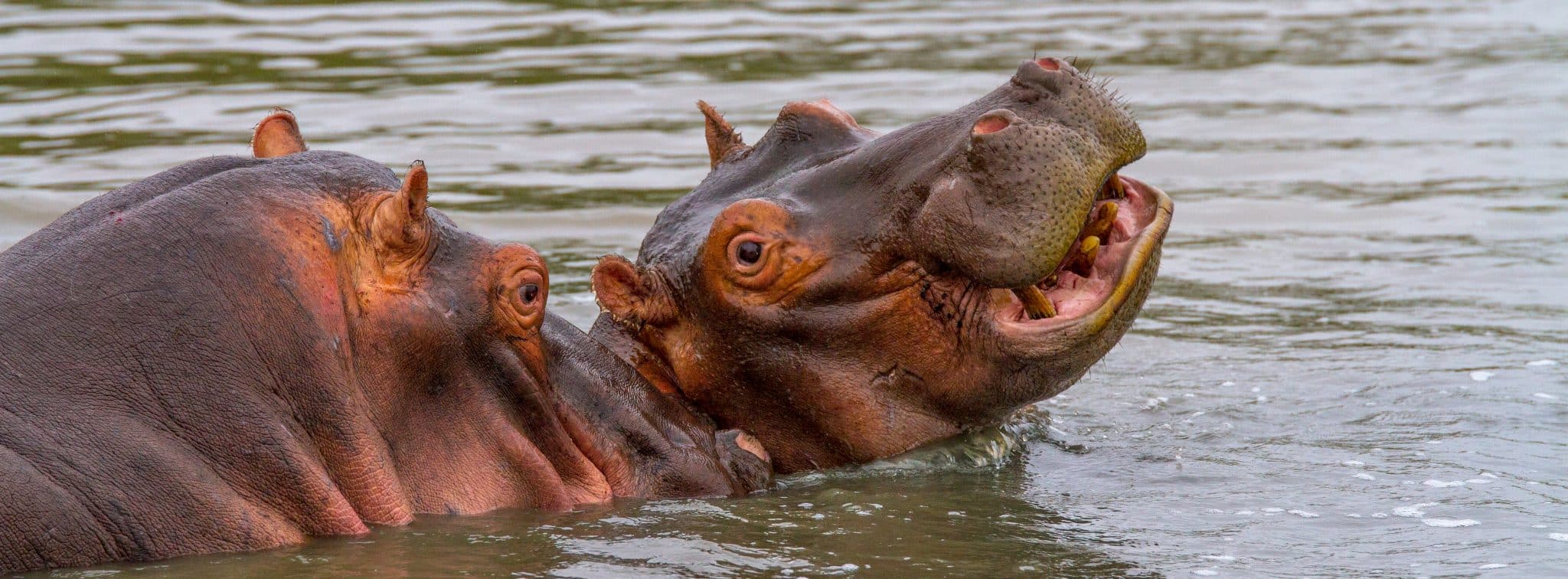
St Lucia (KwaZulu-Natal) is one of those rare destinations where a laid-back holiday village sits right on the edge of true wilderness. By day, St Lucia is all sunshine, salty air, boat cruises and forest walks and drives. By night, it can feel like the bush has moved into town because it sometimes does. This is the place South Africa is most famous for Hippos wandering the streets after dark, a wild reminder that you’re staying alongside a living ecosystem, not just visiting one.
St Lucia is also celebrated as the main gateway to the iSimangaliso Wetland Park, a UNESCO World Heritage Site (inscribed in 1999) protecting an extraordinary mix of estuary, lake, wetlands, coastal forest, dunes, beaches and marine habitats along the Indian Ocean.
This “About St Lucia” guide is designed for travellers (and curious locals) who want the full story: history, ecotourism, conservation, the best wildlife facts, and practical tips plus recommended restaurants and contact details.
About St Lucia KZN South Africa
Where is St Lucia?
St Lucia is a small quaint coastal town in northern KwaZulu-Natal, of South Africa, within the greater St Lucia/iSimangaliso region. It lies alongside the St Lucia Estuary and the Lake St Lucia system is an iconic landscape of water, reeds, forests and dunes that forms the heart of the area’s biodiversity.
Because St Lucia sits between ocean and wetlands, it’s an ideal base for:
-
Estuary Boat Cruises (hippos, crocodiles, birds)
-
Beach Days and Coastal exploration inside of the iSimangaliso Wetland Park
-
Forest drives/walks and Scenic viewpoints
-
Easy access to nearby safari areas in northern KZN such as the Hluhluwe Imfolozi Park

About St Lucia KZN South Africa
Short history of St Lucia
St Lucia’s story is shaped by water. The estuary, lake, wetlands and coastline created a natural “meeting place” for people and wildlife long before tourism existed here. Across generations, the area supported fishing, foraging, seasonal movement and trade always defined by tides, rainfall, and the shifting mouth of the estuary.

About St Lucia KZN South Africa
Early naming and colonial-era references
Written records often link the region’s European naming to Portuguese exploration along the east coast in the 1500s. One commonly cited historic name associated with the river mouth is “Rio de Areias de Ouro” (“River of the sands of gold”), reflecting early impressions of the coastline and its shimmering dunes.
Over time, the broader area became known as St Lucia and developed as a small service and holiday hub along the estuary especially as access improved and nature-based travel grew in popularity.
From resource use to protection
Like many coastal wetlands worldwide, this region faced pressure over the decades: development interests, resource use, and competing land claims. What makes St Lucia’s modern day story so important is the direction it ultimately took: toward protection, restoration and sustainable tourism.
The big turning point in global recognition came when the iSimangaliso Wetland Park (formerly the Greater St Lucia Wetland Park) was inscribed as a UNESCO World Heritage Site in 1999 a milestone that placed international value on conserving this interconnected system of habitats.

About St Lucia KZN South Africa
Why the UNESCO listing matters
A UNESCO listing isn’t just a badge it helps strengthen conservation priorities, encourages responsible planning, and supports the idea that biodiversity has long-term value. It also highlights why St Lucia is so special: very few places on Earth protect such a rich natural “mosaic” of ecosystems in one continuous coastal landscape.

St Lucia today: a conservation-led destination
Modern St Lucia has grown into a friendly, traveller-focused town while still retaining a close relationship with wildlife. It’s common to hear hippos grunting from the estuary at night, to see monkeys in the trees, and to spot birds in surprising places around town. The “history” of St Lucia is still being written every day through the choices that protect the estuary, reduce plastic pollution, support local guides and keep wildlife wild.

About St Lucia KZN South Africa
iSimangaliso Wetland Park: “miracle and wonder” country
The name iSimangaliso is widely translated as “miracle and wonder” and once you’ve stood on a dune ridge looking down toward the estuary and the ocean, you’ll understand why. The park protects a rare range of habitats that include:
-
estuary and lake systems
-
wetlands and reedbeds
-
coastal forests
-
grasslands
-
dune systems
-
marine and beach environments
This ecological variety is a major reason the region supports such outstanding biodiversity and why St Lucia is considered one of South Africa’s most rewarding nature destinations.

About St Lucia KZN South Africa
The St Lucia Estuary: the town’s wild front yard
The St Lucia Estuary is not just scenery it’s the engine room of the ecosystem. Estuaries are incredibly productive because they blend nutrients from rivers and ocean currents, feeding fish nurseries, bird populations, reptiles and mammals.
Two of St Lucia’s most famous residents depend on this system:
-
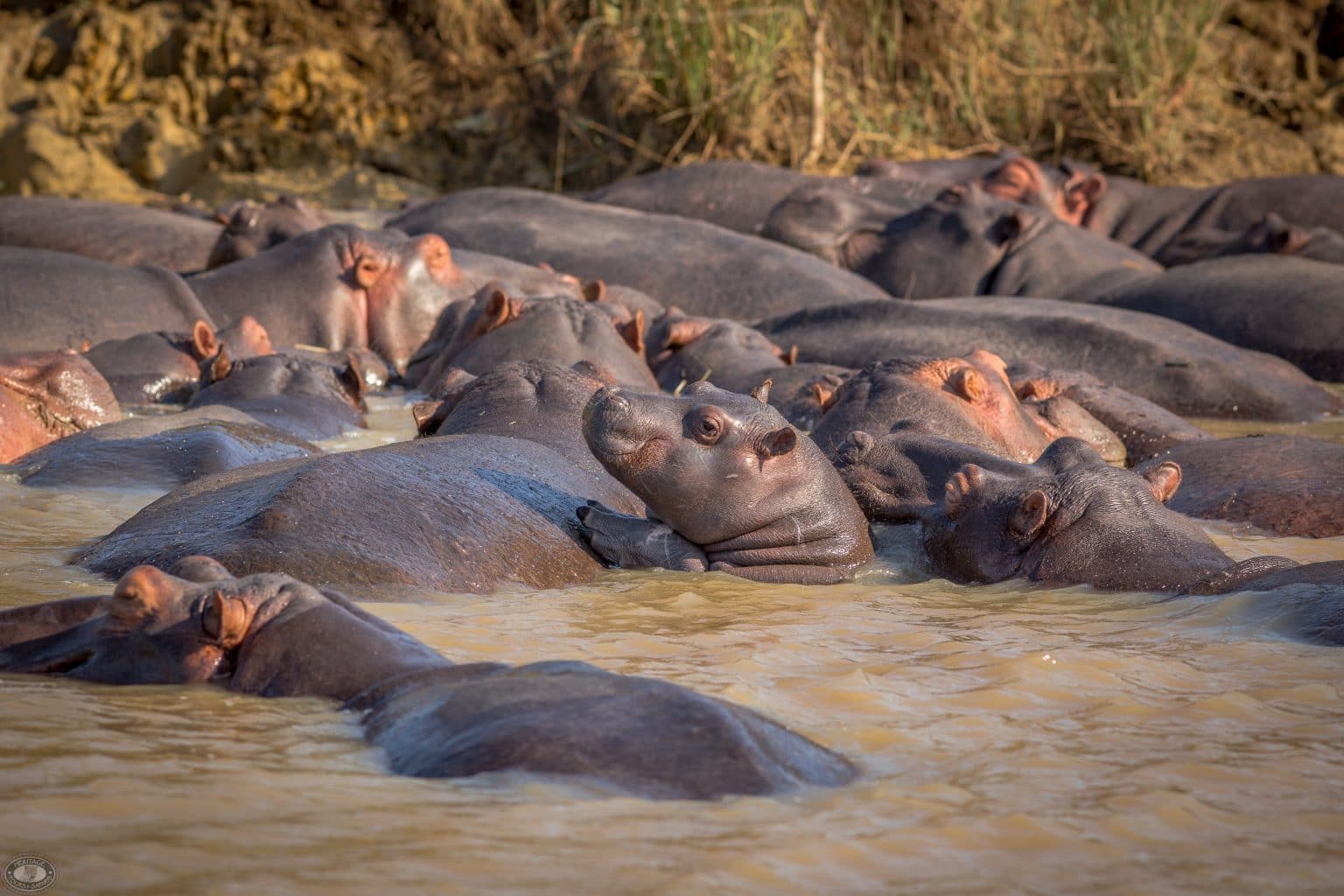
Hippos: St Lucia is often cited as home to one of the largest hippo populations in South Africa, with estimates around ~800 in the system (numbers vary by season and environmental conditions).
-
Nile crocodiles: the estuary is also known for a major crocodile population, often estimated around ~1,200 individuals in the wider system (figures vary).
Those numbers are one of the reasons St Lucia feels so alive: you’re not visiting a “constructed” attraction you’re staying beside an active, functioning natural system.
About St Lucia KZN South Africa
Hippos in St Lucia: the town’s most famous locals
St Lucia is globally famous for hippos that roam the streets at night. Hippos spend much of the day in water to stay cool and protect their skin, then leave the estuary after dark to graze sometimes choosing the easiest route through lawns and roads.
Hippo facts (Hippopotamus amphibius)
-
They’re huge: adults can weigh well over a ton.
-
They don’t “swim” like most animals: hippos often move by pushing off the bottom and gliding.
-
They’re surprisingly fast: a hippo can outrun a human over short distances.
-
They’re vital to ecosystems: their daily movement between water and land transfers nutrients that influence aquatic food webs.
Hippo safety (important)
Hippos can be dangerous if startled or crowded. In St Lucia:
-
never approach a hippo for a photo
-
don’t get between a hippo and the water
-
avoid walking at night (especially near the estuary)
-
follow local warning signs and guidance

About St Lucia KZN South Africa
Nile crocodiles: ancient predators of the estuary
The Nile crocodile is one of Africa’s most iconic reptiles, and St Lucia is one of its key strongholds. Crocs are perfectly built for ambush, stealth, patience, explosive speed and they play an important role as apex predators that influence the balance of aquatic ecosystems.
Crocodile facts (Crocodylus niloticus)
-
Ambush specialists: they rely on stillness and surprise.
-
Temperature matters: basking helps regulate their body heat.
-
They can live for decades in suitable habitats.
-
They shape ecosystems: predators influence prey behaviour, not just numbers.
Just like with hippos: never swim in the estuary and always respect signage.

About St Lucia KZN South Africa
Wildlife around St Lucia: species you can see (with fun facts)
St Lucia is not only about “big animals.” It’s about variety, birds, reptiles, marine life, and forest species all in one region.
1) Birds: a birding hotspot
The estuary, wetlands and forests support superb birdlife. Visitors commonly spot:
-
African fish eagles (listen for their unmistakable call)
-
Kingfishers (tiny flashes of colour near water)
-
Herons, Egrets and Storks
-
Seasonal gatherings of waterbirds depending on water levels and conditions
If you enjoy bird photography, St Lucia can be spectacular in early morning light—calm water, misty edges, and constant movement.
2) Monkeys and small mammals
Around town and nearby forests you may see:
-
Vervet Monkeys (clever and curious, keep food secure)
-
other small forest animals depending on where you explore
3) Antelope and bush species
In suitable habitats within iSimangaliso and nearby reserves, travellers may see species such as:
-
bushbuck and duiker
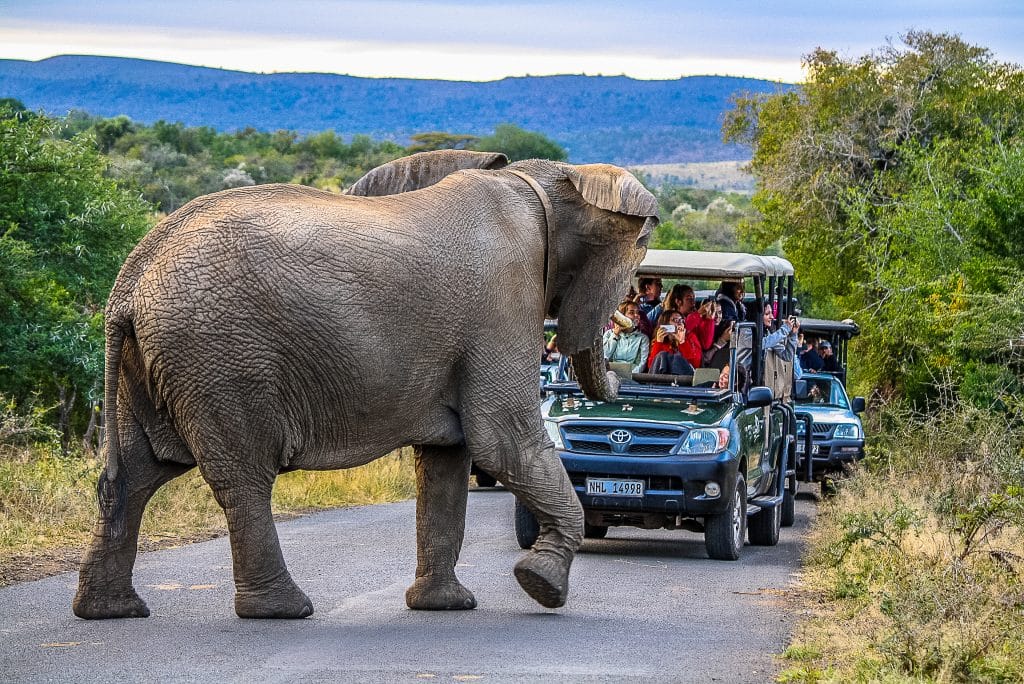
- Leopard, Elephant, Buffalo, Rhino
-
Warthog and other plains species in open areas
4) Ocean life: whales, dolphins and turtles
St Lucia sits on a coastline associated with rich marine life. Many visitors combine the estuary experience with coastal exploration inside iSimangaliso, where the ocean becomes part of the story. The wider protected coastline is strongly linked with seasonal whale movement and the famous turtle nesting experiences further north within protected beach zones. (Species include: Leatherback and Loggerhead Turtles)
5) Reptiles, amphibians and “small wonders”
After summer rains, the soundscape changes frogs calling, insects buzzing, and geckos appearing around lights. These “small wonders” are part of why St Lucia feels so wild even when you’re just walking to dinner.

About St Lucia KZN South Africa
Ecotourism in St Lucia: why conservation and travel belong together
St Lucia is one of South Africa’s best examples of nature-first tourism. When travel is done responsibly, ecotourism can:
-
protect habitats through park fees and conservation funding
-
support local jobs (guides, hospitality, transport, conservation services)
-
create long-term incentives to keep ecosystems intact
-
build awareness and respect for wildlife
The UNESCO World Heritage status strengthens the case for protecting this landscape as a living system with global value, not just local value.
How to be a responsible visitor
-
Keep wildlife wild: never feed animals
-
Stay on designated tracks in dunes and forests
-
Reduce plastic and dispose of waste properly
-
Use ethical operators who respect park rules
-
Be “hippo-smart” at night: give space and avoid walking near the estuary after dark

About St Lucia KZN South Africa
Best things to do in St Lucia
1) St Lucia Estuary Hippo Boat Cruise
A cruise is one of the easiest ways to see hippos, crocodiles and waterbirds in a short time excellent for families and first-time visitors.
2) iSimangaliso coastal drives and beach time
Explore dune viewpoints, coastal forest pockets and wild beaches. The feeling here is wonderfully untamed big sky, rolling surf and long stretches of protected sand.
3) Photography and birding
Sunrise and late afternoon are often the most rewarding times for wildlife photography soft light, active animals, and calmer conditions on the water.
4) Day-trip safaris into the Hluhluwe Imfolozi Park
Many visitors pair St Lucia’s wetlands and ocean with classic safaris into the oldest proclaimed game reserve in Africa, the Hluhluwe Imfolozi Park.

Where to eat in St Lucia: recommended restaurants (with contact numbers)
St Lucia is small, easy to walk, and surprisingly strong on variety seafood, grills, pizza, Italian, healthy options, and family-friendly favourites. Here are popular choices with useful contact details:
Reef & Dune Restaurant (pizza, burgers, casual favourites)
-
Phone: +27 35 590 1048
-
Address: 53 McKenzie Street, St Lucia
St Lucia Ski Boat Club (sea views, seafood, relaxed vibes)
-
Phone: +27 (0)35 590 1376
-
Address: Sugarloaf Street, St Lucia
John Dory’s St Lucia (fish, grill, sushi)
-
Phone: +27 35 590 2115
-
Address: 166 McKenzie Street, St Lucia
Kauai St Lucia (healthy bowls, smoothies, light meals)
-
Phone: +27 35 590 1061
-
Address: Shop 3, Georgiou Centre, 73 McKenzie Street, St Lucia
The Hippo Steakhouse Restaurant (steakhouse option)
-
Phone: +27 35 590 1001
-
Address: 3 Mullet Street, St Lucia
Alfredo’s Italian Restaurant (Italian classics)
-
Phone: +27 35 590 1150
-
Address: 54 McKenzie Street, St Lucia
Greco St Lucia (Greek-style dining)
-
Phone: +27 35 590 1241
Best time to visit St Lucia
St Lucia is a year-round destination, but the experience shifts by season:
-
Warm, wetter months: lush landscapes, energetic birdlife, dramatic skies
-
Cooler, drier months: comfortable walking weather, often easier wildlife viewing in safari areas
Because St Lucia combines estuary + ocean + bush, every season has its own highlight: beach time, birding, photography light, or safari day trips.
St Lucia fast facts
-
St Lucia is the gateway to the iSimangaliso Wetland Park, inscribed as a UNESCO World Heritage Site in 1999.
-
The St Lucia estuary system is widely known for around ~800 hippos and ~1,200 crocodiles (estimates vary).
-
The region protects a rare connected mix of marine, coastal, estuarine and wetland ecosystems.

Contact St Lucia South Africa
For enquiries, bookings, and local assistance via St Lucia South Africa:
-
Safari Desk / Office: +27 35 590 1555 / +27 64 037 6415
-
Email: info@stlucia.co.za
Final word: why St Lucia belongs on your South Africa itinerary
St Lucia is not just a place you pass through on the way to a park it’s a destination where wilderness is part of daily life. You can watch hippos in the estuary, hear them at night, explore protected beaches, and step into a globally important conservation landscape recognised by UNESCO. Add great food, friendly local energy, and unforgettable wildlife variety and you’ll understand why so many travellers arrive for two nights and wish they’d stayed a week.
